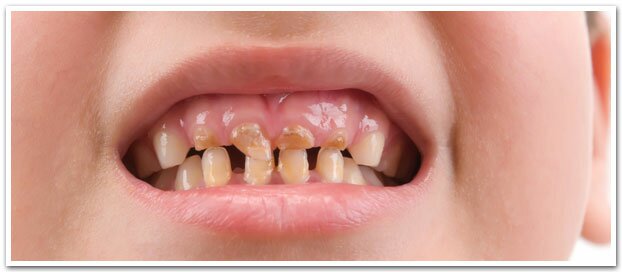
Although this is 2012, the state of dental health care in the United States is still quite alarming. Let me paint you a picture, a paint-by-number portrait of just how many people lack this cornerstone to good health.
Dental Care by the Numbers
- 16 million low-income kids did not see a dentist last year
- 25 percent of seniors (65 and up) have lost all their teeth
- 130 million Americans lack dental insurance
- 55% of Americans (2 and up) didn’t see a dentist in the last year
- 830,000 hospital ER visits in 2009 were linked to preventable dental conditions – a 16% increase in three years
- 27% fewer people enrolled in dental school in 2003 than in 1980.
- Insurance is expected to cover only about 48 percent of all dental expenditures by 2013, predicts the U.S. Centers for Medicare and Medicaid Services. Eight percent ($10 billion) of all dental expenditures will be covered by government aid. The other 44 percent will be out-of-pocket expenses.
We live in difficult times. While some are quick to propose solutions, the truth is that there are no easy answers. Quality dental care for every American would be wonderful, but “wonderful” takes money, infrastructure and people who see the big picture. Politicians need to do more than just paint pretty pictures to get re-elected.
We have made lots of medical strides in the last few decades. The medical profession needs to keep this trend going and set its goals even higher. Money for ongoing research is vital. We have learned so much about the effects of oral health on overall vitality, and I firmly believe dentistry will play an even greater role in fighting disease in the future. We need the financial support of private donors and national backing.
We’ll need to increase dental manpower too. In the last five years, there have been more retiring dentists than first-year dental students, so we need some bright young adults to step up to the plate. Hopefully these young men and women will set their ideals high. I hope dentistry will be their calling and not just an occupation of mediocrity. As American scholar Warren Bennis said:
“The lessons of the ordinary are everywhere. Truly profound and original insights are to be found only in studying the exemplary.”
Of course, there is a place for prudent social services to alleviate immediate suffering; that’s part of being a humane culture. But, to really put an end to the cycle of poor oral health and government aid, we need to do an even better job of educating the public about the importance of good dental hygiene starting in early childhood. Prevention is the strongest ally we have to ensure wellness. If we can get the parents’ attention – regardless of their socioeconomic standing – and teach their children young, I think we’ll be able to cut this dental crisis off at the legs. In the long run, I think it’ll serve the American people better and cost a fraction of the funds some politicians are proposing that we toss into the dental care reform money pit.
Education is something we take seriously at our Encino dental office. My hygienists offer excellent advice about gum and tooth care, and this blog has many articles about the latest findings in dentistry. If your questions are not addressed on this website, we would love to talk to you.
To schedule a dental consultation, please call the office of Dr. Allen Melnick, DDS, at (818) 385-3681.
Best regards, Dr. Melnick
Tip of the Day: Prolonged exposure to chlorine and other pool chemicals can soften teeth, erode enamel and cause staining. If swimming in a chlorinated pool, ask aquatic directors to keep pool pH between 7.2 and 7.6. It’s less corrosive on teeth. When possible, choose pools that use an alternative sanitation method.